
 Türkçe
 Deutsch
 Français
Leg aesthetics is the comprehensive set of surgical and medical procedures that create the ideal leg form by correcting volume deficiencies, stubborn fat accumulation problems, and bone-structure-related curvatures in the lower extremity region extending from the knee to the ankle. These aesthetic interventions are performed to camouflage the appearance of bow legs (bracket legs), slim thick calves, or add volume to excessively thin legs. Through liposuction, fat injection, calf implants, botox, or lifting surgeries planned according to the individual’s anatomical structure, a symmetrical, smooth silhouette in harmony with the golden ratio across the entire body is achieved.
EFC CLINIC
Comprehensive Care: From Initial Consultation to Follow-Up.
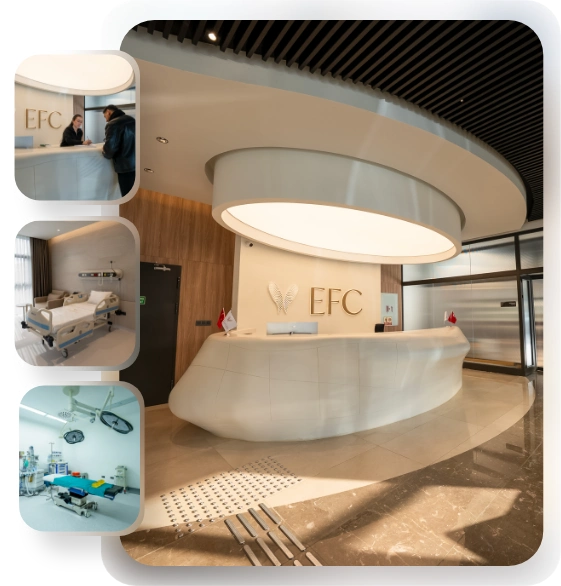
EFC CLINIC is a center of excellence specializing in the most meticulous fields of surgical medicine, from aesthetic surgery to interventional treatments—where every step progresses with refined attention. Medical excellence, aesthetic precision, and uncompromising ethical standards converge on the same path. Our subspecialty-trained experts aim to achieve natural and reliable results by delivering evidence-based care supported by modern imaging, standardized protocols, and safety systems. From consultation to recovery, your care is coordinated end-to-end with clear communication, transparent planning, and genuine respect for your health.
What Are the Factors That Affect a Successful Outcome in Leg Aesthetic Operations?
When starting the leg contouring process, accurately analyzing the patient’s current condition determines the roadmap of the treatment. Just as not every thick leg is caused by fat accumulation, not every thin leg can be corrected solely with implants. From a physician’s perspective, it is necessary to evaluate each layer that forms the external appearance of the leg individually.
The main elements considered during this evaluation process are as follows:
- Bone skeletal structure
- Distribution of muscle mass
- Density of fatty tissue
- Skin elasticity
- Leg axis
If a patient complains about the thickness of their legs, understanding the cause of this thickness is of vital importance. Is the thickness caused by muscle or fat? If this question is answered incorrectly, one may enter an erroneous and ineffective path, such as attempting fat removal on a muscular leg. Similarly, in cases of leg curvature, it must be distinguished whether the problem arises from a bony deformity or from soft tissue insufficiency.
How Is Bow Leg (Genu Varum) Problem Camouflaged Aesthetically?
The condition commonly known as “bow legs” and referred to in medical terminology as Genu Varum is characterized by the legs curving outward from the knees. When the heels are brought together, the knees remain apart, causing the legs to appear curved. Our approach in plastic surgery differs from that of orthopedic surgery. If the patient does not have pain or a serious walking disorder, instead of breaking and correcting the bones, we use the “camouflage” technique.
The basic logic here is to make the leg appear like a straight column by filling the visual gaps created by the curvature. This is a kind of illusion art. To fill the gaps on the inner side of the leg, especially below the knee, fat tissue taken from the patient’s own body or silicone implants are generally used. In this way, without touching the bone structure and by shaping only the soft tissue over it, an extremely smooth and aesthetic leg contour can be achieved.
What Is the Treatment Approach in X-Leg (Genu Valgum) Condition?
In X-leg deformity, which is the exact opposite of bow legs, the knees touch each other while the ankles remain apart. This condition usually originates in childhood and may continue into adulthood. The management of this condition in aesthetic surgery depends on the severity of the deformity.
In these cases, the aim is to complete the deficiencies in the outer contour of the leg or to place the leg on a straighter line by removing excess tissue on the inner side. However, there is a very fine line here; if severe pain or joint problems accompany the leg curvature, this condition should be addressed as an orthopedic issue rather than an aesthetic one. In mild and moderate cases that carry only cosmetic concerns, the visual perception can be largely corrected by balancing the asymmetries in the leg contour with fat injections.
Contact us now to get detailed information about our treatments and procedures and to schedule an appointment!
Is the Liposuction Method Effective for Thick Legs Caused by Localized Fat Accumulation?
In patients who present with a request for leg slimming, the most frequently used method is Liposuction, that is, fat removal. However, the leg region is not like the abdomen or waist; it is a structure that resists gravity, is sensitive in terms of the circulatory system, and is highly mobile. Therefore, leg liposuction does not simply mean vacuuming fat but rather shaping the leg like a sculptor (Liposhaping).
The areas where fat accumulation is most intense and aesthetically disturbing in the legs are as follows:
- Inner knees
- Hip region
- Inner thighs
- Around the ankles
Especially the removal of fat pads on the inner knees makes the leg appear longer and more elegant. Eliminating excess in the hip region visually lengthens the leg. Today, in addition to classical methods, technologies such as Laser Lipolysis are also frequently used. These technologies not only remove fat by melting it but also trigger skin tightening by heating the skin from within. However, it must be emphasized again that if the thickness is caused by muscle mass rather than fat, liposuction is not a solution and should not be applied.
Is Botox Application Preferred to Slim Muscular Leg Structure?
In some individuals, due to their genetic structure or past sports habits, the calf muscles (gastrocnemius) may be excessively developed. This causes the lower part of the leg to appear masculine, rigid, and thick. Since this tissue is muscle, it cannot be slimmed with fat removal. At this point, Botulinum Toxin (Botox) applications, which are non-surgical yet quite effective, come into play.
Botox is used to reduce the volume of overactive muscles by relaxing them. Injections made into the calf muscles from specific points reduce muscle activity and over time lead to muscle thinning (atrophy). With this method, it is possible to achieve a visibly noticeable slimming of the leg circumference. Before the procedure, the patient is asked to rise onto their toes to identify the most active and bulging points of the muscle. This is a completely non-surgical, scar-free, and practical solution that requires no recovery period.
Is Fat Injection Permanent for Adding Volume to Thin Legs?
For patients with extremely thin legs, referred to as “stick legs,” the most natural solution is the use of their own body fat. In this procedure, called autologous fat grafting, fats taken from areas such as the abdomen or waist are processed through special procedures and transferred to the legs. This method provides the legs with natural softness and fullness.
However, the most important point that patients should know is the permanence of the transferred fat. As a biological process, the body absorbs a portion of the transplanted fat over time.
The points to be considered during the fat injection process are as follows:
- Possibility of partial resorption
- Need for repeat sessions
- Natural tissue feel
- Speed of recovery
Generally, approximately 40% of the transferred fat is absorbed by the body, while the remainder becomes permanent. For this reason, a second session may sometimes be required after 3–6 months to achieve the desired full volume. Fat injection is also an excellent tool for correcting mild curvatures and asymmetries in the legs.
Contact us now to get detailed information about our treatments and procedures and to schedule an appointment!
In Which Situations Is the Use of Calf Implants (Prostheses) Necessary?
If the patient does not have sufficient fat tissue to be harvested from the body, or if the patient desires a more prominent, more muscular, and absolutely permanent result, calf implants are preferred. These implants are similar to the silicone implants used in breast augmentation, but they are produced in a firmer form to withstand the pressure in the leg region.
The implants are placed through a small incision made in the natural crease behind the knee. These prostheses, usually positioned under the muscle fascia, give the leg a full and aesthetic appearance when viewed from the back and side. They are ideal for mimicking the distinct muscle lines often seen in bodybuilders. The greatest advantage of implants is that, unlike fat injections, there is no risk of resorption and the result is lifelong and permanent.
How Are Thigh Lift Surgery and Scar Concerns Managed After Weight Loss?
After excessive weight gain and loss or bariatric surgery, severe skin sagging that occurs on the inner thighs unfortunately cannot be corrected with exercise or diet. These emptied and elasticity-lost excess skin tissues create not only an aesthetic problem but can also cause chafing and rashes while walking. In this case, Thigh Lift surgery is the most effective solution.
The most discussed aspect of this surgery is the scars it leaves behind. As surgeons, we are very transparent in our consultations with patients: a tight, column-like leg or a scarless but sagging leg? The surgical scar is usually hidden within the groin. However, in very advanced cases where the sagging extends down to the knees, a vertical incision extending from the inner thigh toward the knee may be required. These scars fade and become less noticeable over time. Most patients consider this scar a reasonable trade-off to eliminate the reduced quality of life caused by sagging skin.
What Should Be Considered During the Postoperative Recovery Process?
The period after leg aesthetic surgeries is at least as important as the surgery itself. Since the legs are under the effect of gravity, they are the areas where edema is resolved the latest in the body. Therefore, strictly adhering to postoperative care rules directly affects the success of the outcome.
The critical points that patients should pay attention to during the recovery process are as follows:
- Use of compression garments
- Leg elevation
- Short walks
- Smoking prohibition
After surgery, it is generally mandatory to wear special medical compression garments or varicose stockings for 3–4 weeks. This pressure keeps edema under control and helps the newly shaped tissues settle into place. Having our patients rest with their legs elevated above heart level in the first days helps reduce swelling. However, complete immobility is also not desired; short walks inside the house help speed up recovery by keeping blood circulation active. For returning to heavy sports, a period of 6–8 weeks is generally required, during which full tissue healing is expected.
Blog Posts

Most Preferred Countries for Hair Transplantation
Among the most preferred countries for hair transplantation are Turkey, India, South Korea, and Poland. [...]
Read More
21
Jan
Jan
Hair Transplant Prices
Hair transplant prices vary depending on the technique to be used, the number of grafts, [...]
Read More
21
Jan
Jan
Most Preferred Countries for Plastic Surgery
Among the most preferred countries for plastic surgery, Turkey, South Korea, the United States, and [...]
Read More
21
Jan
Jan
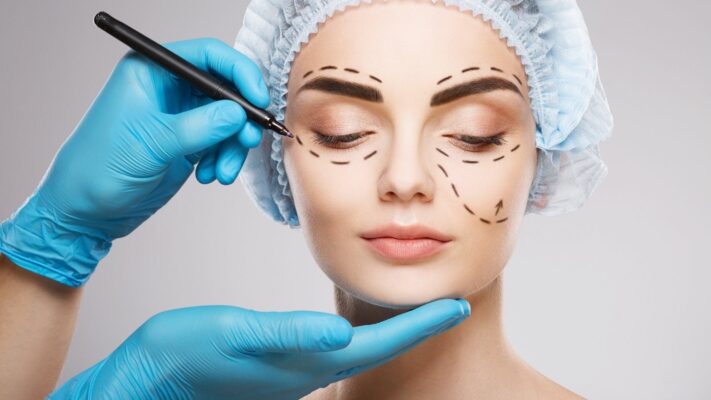
Plastic Surgery Prices
Plastic surgery prices vary depending on the type of procedure, geographical location, the surgeon’s experience, [...]
Read More
21
Jan
Jan
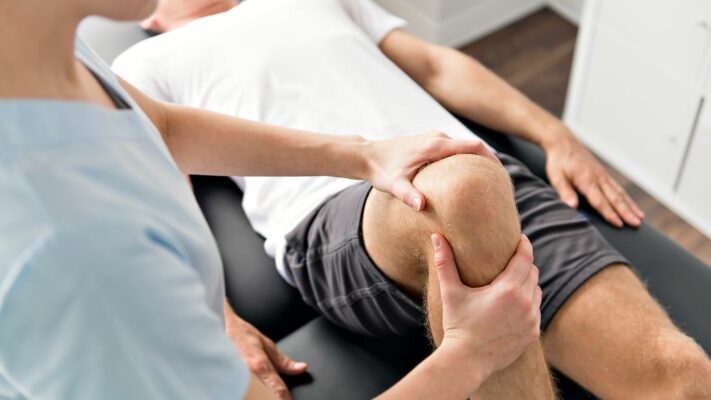
Physical Therapy Prices
Physical therapy prices vary depending on the number of sessions to be applied, the treatment [...]
Read More
21
Jan
Jan

Dental Treatment Prices
Dental treatment prices vary depending on the type of procedure to be performed, the quality [...]
Read More
21
Jan
Jan
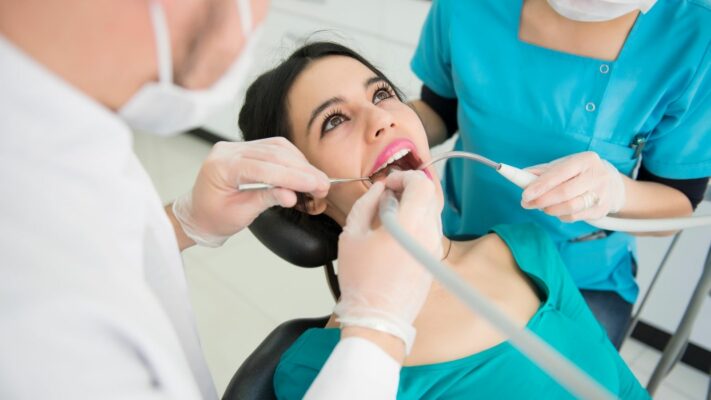
Most Preferred Countries for Dental Treatments
Among the most preferred countries for dental treatments are Turkey, Hungary, Mexico, and Thailand. These [...]
Read More
21
Jan
Jan