
 Türkçe
 Deutsch
 Français
Dental treatment prices vary depending on the type of procedure to be performed, the quality of the materials used, and the country where the clinic providing the treatment is located. Since the treatment process is planned individually, pricing is usually determined after a detailed examination.
Procedures such as implants, crowns, and root canal treatments have a wide price range. Costs are calculated based on factors such as the implant brand to be used, the number of teeth, and jaw structure. In aesthetic procedures, the quality of the materials used is a determining factor in pricing.
Procedures such as zirconium crowns, e-max laminates, and teeth whitening applied within the scope of aesthetic dentistry vary according to individual needs. Factors such as supporting the treatment with digital methods, the laboratory process, and the number of sessions affect the total cost.
For patients receiving dental treatment abroad, travel, accommodation, and consultancy services should also be taken into consideration.
Why Are Dental Treatment Prices Not Fixed?
It is not possible to talk about a standard pricing model in dental treatments. This is because each individual’s oral and dental structure, complaint, and expectations are different. Even a treatment referred to by the same name may require a completely different plan for two different patients. This situation causes costs to vary.
The scope, duration, and methods of the treatment are determined on an individual basis. Therefore, pricing can only be clarified after examination and evaluation.
How Does the Type of Treatment Affect Prices?
The procedures applied in dentistry cover a very wide range. This field, which extends from preventive practices to surgical procedures, naturally involves different cost dynamics.
There are significant differences in both duration and technical aspects between a simple filling procedure and more comprehensive prosthetic treatments. Orthodontic treatments, implant applications, or aesthetic procedures generally require longer planning and a multi-stage process. This is one of the main factors causing prices to vary.
The Role of Materials Used
The materials preferred in dental treatment have a decisive effect on cost. The same treatment method can be applied using different materials. Factors such as the durability, aesthetic properties, and biocompatibility of the material used become important at this point.
For example, in procedures where aesthetic concerns are at the forefront, materials closer to the natural tooth appearance may be preferred. These preferences can affect not only the outcome of the treatment but also its cost. The decision on which material is appropriate is made based on the dentist’s evaluation.
The Current Condition of Oral and Dental Health
The patient’s intraoral condition forms the basis of treatment planning. Not only the visible problem but also the condition of surrounding tissues is taken into account. Gum health, bone structure, and existing restorations may determine the form of the treatment.
In some cases, additional procedures may be required before proceeding with the main treatment. This preparation process is among the factors that affect the overall treatment duration and therefore the costs.
Treatment Duration and Number of Sessions
While some dental treatments can be completed in a single session, others are spread over a longer period of time. An increase in the number of sessions affects the price along with the equipment used and the effort involved.
Especially in treatments that require planning, regular check-ups and intermediate procedures are carried out throughout the process. In such treatments, the cost is related not only to the procedure performed but also to the management of the entire process.
Clinic Equipment and Technological Infrastructure
The technology used in dentistry is constantly developing. Digital impression systems, imaging devices, and computer-aided manufacturing techniques make the treatment process more comfortable and predictable.
In clinics where these technologies are used, the treatment experience may be more comfortable for the patient. However, the cost of this infrastructure may be indirectly reflected in prices. What is important here is whether the technology genuinely contributes to the treatment.
The Dentist’s Experience and Approach
The professional experience of the dentist plays an important role in treatment planning. Experience is not limited to application skills alone; it also includes factors such as making the correct diagnosis, anticipating possible risks, and offering solutions tailored to the individual.
If the dentist’s approach focuses on understanding the patient’s expectations and communicating the process transparently, the treatment progresses more smoothly. This professional evaluation also forms the basis of pricing.
Aesthetic Expectations and Personal Preferences
For some patients, function is the priority, while others place greater importance on aesthetic outcomes. Aesthetic-focused procedures such as smile design require detailed planning. Factors such as color, form, and facial harmony are taken into consideration.
Additional adjustments made in line with these personal expectations may expand the scope of the treatment. Accordingly, prices may be shaped based on these expectations.
How Appropriate Is It to Make a Price-Focused Decision?
When it comes to dental treatment, focusing solely on price can lead to undesirable results in the long term. Improperly planned or unsuitable procedures may create the need for additional treatments in the future.
For this reason, price should not be the sole determining factor in the decision-making process. The necessity of the treatment, the dentist’s explanations, and long-term oral health should be evaluated together.
Why Is Individualized Evaluation Important?
Since each individual’s oral structure and health condition are different, dental treatments are planned on a personalized basis. General information may be guiding; however, a dental examination is essential for making definitive decisions.
The dentist evaluates the current condition and explains which treatment is appropriate and how the process will progress. As a result of this evaluation, the cost framework also becomes clear. It should not be forgotten that clinical decisions are always made according to individual needs.
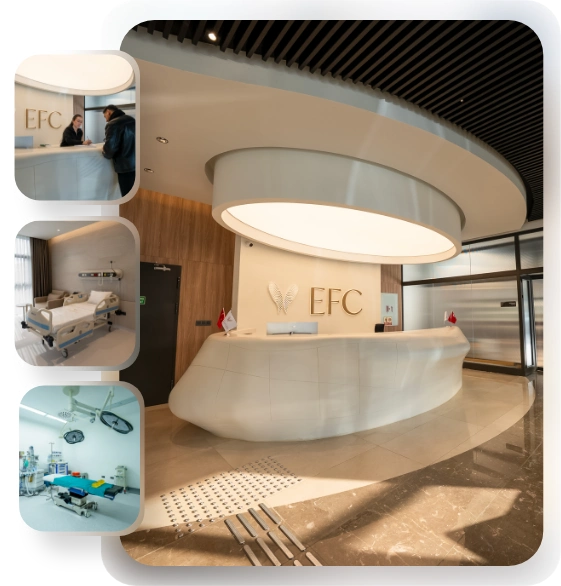
Comprehensive Care: From the First Examination to the Follow-Up Process.
EFC CLINIC is a center of excellence specializing in the most rigorous fields of surgical medicine—from aesthetic surgery to interventional treatments—where every step is carried out with meticulous care. Medical excellence, aesthetic precision, and an uncompromising ethical stance meet on the same line. Our subspecialty-trained specialists aim to achieve natural and reliable results by providing evidence-based care with modern imaging, standardized protocols, and safety systems. From consultation to recovery, your care is coordinated end-to-end with clear communication, transparent planning, and genuine respect for your health.