
 Türkçe
 Deutsch
 Français
Forehead lift surgery is an aesthetic surgical procedure performed to eliminate tissue sagging in the upper face region, eyebrow drooping, and deep forehead wrinkles caused by aging and the effects of gravity. This operation anatomically repositions the loosened muscle and skin tissue to its ideal position, relieving the weight on the eyelids and giving the gaze a more dynamic form. The intervention, which permanently corrects the frown lines that involuntarily give a tired or harsh expression, provides a smooth, bright, and rejuvenated appearance while preserving the natural balance of the face.
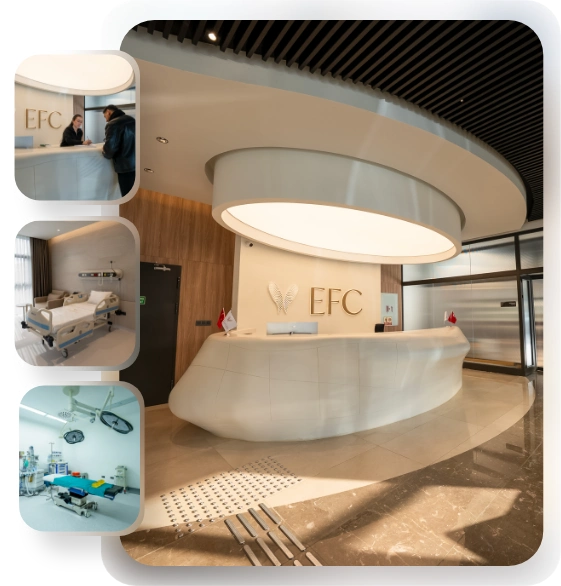
EFC CLINIC
Comprehensive Care: From Initial Consultation to Follow-Up.
EFC CLINIC is a center of excellence specializing in the most meticulous fields of surgical medicine, from aesthetic surgery to interventional treatments—where every step progresses with refined attention. Medical excellence, aesthetic precision, and uncompromising ethical standards converge on the same path. Our subspecialty-trained experts aim to achieve natural and reliable results by delivering evidence-based care supported by modern imaging, standardized protocols, and safety systems. From consultation to recovery, your care is coordinated end-to-end with clear communication, transparent planning, and genuine respect for your health.
What Is Forehead Lift Surgery and What Kind of Change Does It Provide?
It would be unfair to see this surgery as merely a wrinkle-removal procedure. Of course, we soften the deep horizontal lines on the forehead and that stern expression between the eyebrows. However, the real magic happens in the position of the eyebrows. When the eyebrows are lifted, the heaviness over the eyelids decreases, and the eyes look larger and more vibrant. The overall expression of the face immediately becomes more refreshed and brighter.
My patients often say after surgery, “I feel like a huge weight has been lifted off my face.” This is both a physical and psychological relief. Especially in people who constantly contract their forehead muscles to keep their eyebrows raised because their brows are very low, the end-of-day headaches usually become a thing of the past with this surgery.
Why Do the Forehead and Brow Structure Change During the Aging Process?
Time affects everything, from our bone structure to the quality of our skin. Gravity is an inevitable force and pulls the entire face downward starting from the top, namely the forehead. The tight ligaments that hold the eyebrows up in youth loosen over time. The frontal bone loses some volume, and supporting tissue decreases.
Once this process begins, the eyebrows slowly start to descend over the eye socket. This causes the eyelid skin to appear looser than it actually is. The person reflexively raises the eyebrows to open the visual field. This constant movement deepens the horizontal lines on the forehead. In other words, a vicious cycle forms; as the brows drop, the forehead wrinkles. We break this cycle with surgery.
Who Are Suitable Candidates for Forehead Lift Surgery?
It would not be accurate to say, “It must definitely be done at this age.” Although it is generally performed in people aged 40 and above to address signs of aging, we also achieve great results in patients in their twenties who structurally have low eyebrows. If you see a constant tiredness in your face when you look in the mirror, this surgery may be suitable for you.
In general, the people who will benefit most from this procedure have the following signs:
- Low brow structure
- Deep horizontal forehead lines
- Prominent frown lines
- Eyelid hooding
- A tired facial expression
- Brow asymmetry
- An enlarged forehead appearance
Contact us now to get detailed information about our treatments and procedures and to schedule an appointment!
How Is the Scarless Endoscopic Forehead Lift Method Performed?
One of the greatest comforts technology offers us is the endoscopic method. In the past, massive incisions extending from ear to ear were made, whereas now we perform this procedure through tiny 1–2 cm openings hidden within the scalp.
In this method, we go under the skin with very thin instruments that have a camera at the tip. Thanks to the camera, we can see nerves, vessels, and muscles in the finest detail on a large screen. In this way, without damaging the tissues, we safely advance beneath the periosteum and release the entire forehead. We then move the freed tissue upward and fix it in its new position. Since there is no large incision, recovery is very fast, the risk of numbness is minimized, and most importantly, there is no visible external scar. These tiny entry points that disappear among your hair become so subtle after healing that even your hairdresser will have difficulty noticing them.
Which Technique Is Used in People with a Wide and High Forehead Structure?
Not every patient may be suitable for the endoscopic method. Especially in patients who naturally have a wide forehead or a receded hairline, if the endoscopic method is applied, the hairline moves even further back as the brows are lifted. This further widens the forehead and creates an unaesthetic appearance.
In such cases, we prefer the lifting technique performed along the hairline, which we call “Pretrichial.” Here, we make the incision exactly at the border where the hair starts. This technique provides us with two major advantages. First, we lift the brows very effectively by removing excess forehead skin. Second, we narrow the forehead by pulling the scalp forward. In other words, the patient both looks younger and achieves a more proportionate forehead width. This method is a tremendous opportunity to balance facial proportions.
What Is a Temporal Lift That Raises Only the Outer Part of the Eyebrows?
Sometimes it is not necessary to lift the entire forehead. There are cases where only the outer parts of the eyebrows have drooped and there is hooding at the outer corners of the eyes. In these patients, we perform a “Temporal Lift,” meaning a temple lift procedure.
In this procedure, we enter only through the hair-bearing skin in the temple region and suspend the tail portion of the brow upward. This allows us to achieve the more lifted and dynamic look that has become popular in recent years. It is a method we prefer especially in younger patients or people with a localized issue, with an extremely fast and practical recovery.
Why Should Surgical Forehead Lift Be Preferred Over Non-Surgical Methods?
Botox and filler applications are excellent aids, but their effects are limited. Botox relaxes the muscles and softens wrinkles, but it cannot correct significant sagging. In fact, incorrectly applied Botox to the forehead can sometimes make the brows drop even more. Thread lifting methods, unfortunately, may not fulfill their promises in terms of longevity; it is difficult to keep a heavy forehead tissue lifted for a long time with threads.
The surgical method, on the other hand, is a structural solution. It does not merely suspend the tissue; it permanently changes its position. Because it works in deep planes, its effect lasts for years. If you have noticeable skin excess and significant tissue laxity, choosing surgery instead of wasting time and money on non-surgical methods is the most sensible approach.
Contact us now to get detailed information about our treatments and procedures and to schedule an appointment!
What Should Be Considered During the Preoperative Preparation Process?
A successful surgery begins long before entering the operating room. Preparing your body for this process directly affects your speed of recovery. For me, the most critical point is blood circulation. Tissues need oxygen to heal, and smoking seriously undermines this process.
Some basic points you should pay attention to before surgery are as follows:
- Smoking
- Aspirin-type medications
- Herbal teas
- Vitamin E supplements
- Blood-thinning foods
- Alcohol consumption
Stopping the use of these substances a certain period before surgery reduces the risk of bleeding and helps bruising be less pronounced.
What Is the Recovery Process Like, and When Can You Return to Social Life?
The part my patients fear most is the recovery process, but in fact, a forehead lift is one of the most comfortable facial aesthetic surgeries. We do not expect severe pain after surgery. Rather, you feel a tightness as if there is a snug band on your forehead or as if you have tied your hair very tightly. This sensation also decreases within a few days.
Swelling in the first days is natural. Due to gravity, this swelling can sometimes descend around the eyes—do not worry. Most of my patients can comfortably return to their social life within 1 week or 10 days. To see the full result of the procedure, however, you need to be a bit patient.
Temporary situations you may encounter during the recovery process are as follows:
- Mild swelling
- Bruising around the eyes
- Numbness in the forehead area
- A feeling of tightness
- Itching
What Are the Possible Risks and Complications of the Surgery?
Every surgical procedure has its own inherent risks, and discussing them is the basis of trust. The most common issue encountered in forehead lift surgeries is temporary sensory loss. The forehead area is rich in nerve networks, and since these nerves are stretched during surgery, you may feel numbness for a while. This condition resolves on its own within months.
Permanent nerve damage or inability to move the eyebrow is extremely rare in expert hands with a strong command of anatomy. General surgical risks such as infection or bleeding are minimized in a sterile hospital environment and with proper care. Another concern is asymmetry; however, the human face is naturally asymmetrical by nature. Our aim is not to eliminate this asymmetry completely, but to achieve a pleasing balance. With proper planning and realistic expectations, this surgery significantly increases your quality of life and self-confidence.
Blog Posts
Most Preferred Countries for Hair Transplantation
Among the most preferred countries for hair transplantation are Turkey, India, South Korea, and Poland. [...]
Read More
21
Jan
Jan
Hair Transplant Prices
Hair transplant prices vary depending on the technique to be used, the number of grafts, [...]
Read More
21
Jan
Jan
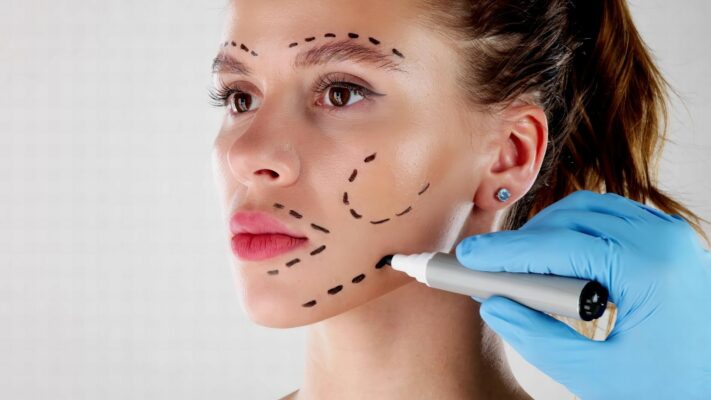
Most Preferred Countries for Plastic Surgery
Among the most preferred countries for plastic surgery, Turkey, South Korea, the United States, and [...]
Read More
21
Jan
Jan
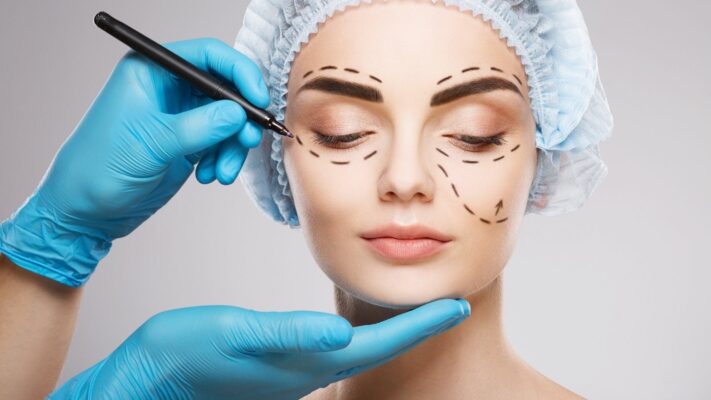
Plastic Surgery Prices
Plastic surgery prices vary depending on the type of procedure, geographical location, the surgeon’s experience, [...]
Read More
21
Jan
Jan
Physical Therapy Prices
Physical therapy prices vary depending on the number of sessions to be applied, the treatment [...]
Read More
21
Jan
Jan

Dental Treatment Prices
Dental treatment prices vary depending on the type of procedure to be performed, the quality [...]
Read More
21
Jan
Jan
Most Preferred Countries for Dental Treatments
Among the most preferred countries for dental treatments are Turkey, Hungary, Mexico, and Thailand. These [...]
Read More
21
Jan
Jan