
 Türkçe
 Deutsch
 Français
Hair transplantation is a medical solution in which a person’s own healthy hair follicles, taken from genetically shedding-resistant areas (usually the back of the head), are permanently transplanted into areas experiencing hair loss. This procedure does not treat the genetic cause underlying hair loss or stop other existing hairs from shedding. It is not a “cure for baldness.” Rather, it is an aesthetic and surgical art of redistribution that permanently changes the location of existing and limited healthy hair follicles. These follicles continue to grow in their new location while preserving their genetic code.
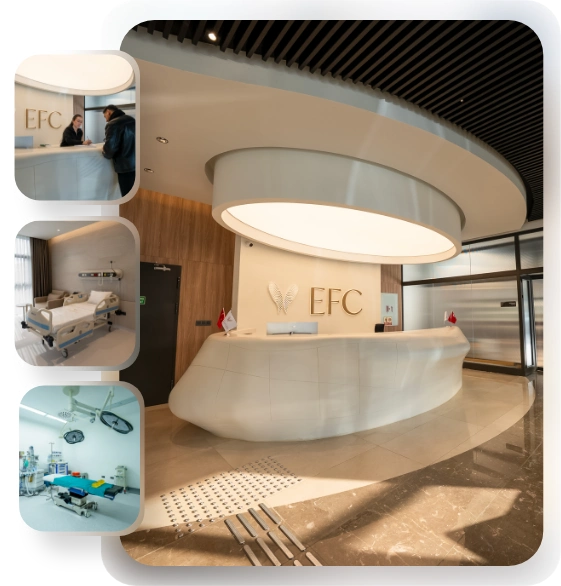
EFC CLINIC
Comprehensive Care: From Initial Consultation to Follow-Up.
EFC CLINIC is a center of excellence specializing in the most meticulous fields of surgical medicine, from aesthetic surgery to interventional treatments—where every step progresses with refined attention. Medical excellence, aesthetic precision, and uncompromising ethical standards converge on the same path. Our subspecialty-trained experts aim to achieve natural and reliable results by delivering evidence-based care supported by modern imaging, standardized protocols, and safety systems. From consultation to recovery, your care is coordinated end-to-end with clear communication, transparent planning, and genuine respect for your health.
What Is the Fundamental Principle That Ensures the Success of Hair Transplantation?
The entire scientific basis of hair transplantation rests on the principle of “donor dominance.” This principle states: The hair follicles in the back of your head are not genetically programmed to shed. They are resistant to the male hormones (DHT) that cause shedding.
When you take these follicles and transplant them to the crown or frontal area where shedding occurs, these follicles retain the genetic characteristics of their original location. In other words, they do not “adapt” to the new area and start shedding; they remain resistant to shedding, just like they were in the donor area, and continue to grow.
This fundamental principle also reveals the biggest reality and limitation of the procedure: The number of hair follicles in your donor area is limited. It is like a “treasure,” and it is not infinite. For this reason, hair transplantation is not only moving hair from one place to another, but also a strategy for managing this limited and valuable resource in the smartest and most efficient way.
Modern hair transplantation today is based on transplanting natural hair groupings called “follicular units” (FUs). Hair does not emerge from the scalp one by one, but in small, natural groups of 1, 2, 3, or 4 hairs. Harvesting and transplanting these natural groups intact prevents an artificial “pluggy” look and enables an exact imitation of natural hair growth patterns.
For Which Type of Hair Loss Is Hair Transplantation Most Commonly Performed?
The most common indication for hair transplantation is “Androgenetic Alopecia,” i.e., genetic-hormonal pattern hair loss seen in both men and women. This condition is also known as Male Pattern Hair Loss (MPHL) or Female Pattern Hair Loss (FPHL).
Understanding the cause of this condition is essential to understanding treatment. Androgenetic alopecia is triggered when testosterone is converted into dihydrotestosterone (DHT) by a specific enzyme (5-alpha-reductase). Hair follicles that are genetically sensitive to this hormone gradually weaken with ongoing DHT exposure, become thinner (this is called “miniaturization”), and their growth cycles shorten. Eventually, these follicles become completely inactive.
Does Getting a Hair Transplant Stop Existing Hair Loss?
This is one of the most misunderstood issues, and the answer is clearly “No.” Hair transplantation is not a curative procedure that treats shedding; it is a restorative procedure.
The surgeon implants new, healthy hair follicles that are resistant to DHT in place of shed hairs. However, this procedure does not stop the genetic and hormonal process underlying hair loss. So while the transplanted hairs do not shed, your original (native) hairs in that area will continue to shed if they are in the shedding process.
This is exactly why hair transplantation should generally be carried out together with medical (drug) treatments. If a person with progressive hair loss undergoes only a hair transplant and does not receive medical therapy (such as finasteride or minoxidil), an unnatural appearance can develop over the years: the transplanted hairs remain in place like “islands,” while the native hairs around them continue to shed, creating gaps. Therefore, ongoing medical treatment to preserve existing hair is a critical necessity for long-term patient satisfaction.
Is Hair Transplantation Performed Only for Hair Loss on the Scalp?
Although androgenetic alopecia is the main reason, hair transplantation is also used for a wide range of reconstructive and cosmetic purposes. These include eyebrow, beard, mustache, and even chest hair restoration:
It is also a highly effective method for camouflaging scars by covering them (scar) that occur as a result of trauma, accidents, burns, or previous surgical interventions (for example, facelift surgery).
Who Are the Ideal Candidates for Hair Transplantation?
Preoperative evaluation and planning are at least as important as the surgery itself. Misdiagnosis or poor candidate selection can directly lead to an unsuccessful surgical outcome.
Ideal candidates should have stable hair loss—meaning progression has stopped or slowed and the pattern has become established. In male patients, it is generally preferred to wait until around the age of 25 for the hair loss pattern to become apparent and stabilize.
However, the most important factor determining the quality of the surgical result is the quality and amount of the patient’s donor area (the back of the head). In clinical analysis, there are a few key factors that determine donor quality:
- Hair density (number of grafts per square centimeter)
- Hair shaft diameter (thicker hair is a major advantage)
- Hair characteristics (curly or wavy hair provides better coverage)
- Contrast between hair and skin color (the lower the contrast, the fuller it looks)
Finally, candidates must be in good overall health and, most importantly, have realistic expectations about the results of the procedure.
In Which Situations Can Hair Transplantation Not Be Performed?
Some medical conditions prevent a person from being a suitable candidate for hair transplantation. These are called “contraindications.”
Medical Contraindications:
Overall health status is the primary determinant for hair transplantation. Certain medical conditions are contraindications.
- Uncontrolled diabetes
- Uncontrolled hypertension
- Active cancer treatment process
- Severe blood clotting disorders
- Active autoimmune diseases (such as Lupus, Rheumatoid Arthritis, Psoriasis)
- Active and progressive scarring alopecias (such as Lichen Planopilaris, Frontal Fibrosing Alopecia)
- Diffuse unpatterned alopecia (DUPA) affecting the entire scalp (including the donor area)
Psychological Contraindications:
Mental health is as important as physical health. Some conditions are absolute contraindications to surgery:
- Unrealistic expectations (expecting a miracle)
Body Dysmorphic Disorder (BDD) (believing one is flawed despite having no defect)
- Active and uncontrolled trichotillomania (hair-pulling disorder)
In particular, BDD is a red flag for the surgeon. These patients carry a risk of dissatisfaction no matter how perfect the result is and tend to find “new flaws” after surgery.
By Which Methods Are Hair Follicles Harvested From the Donor Area?
There are essentially two main surgical methods for harvesting hair follicles (grafts) from the donor area: FUT and FUE. Although there are different applications of these methods today, follicles are harvested based on these two fundamental approaches.
Contact us now to get detailed information about our treatments and procedures and to schedule an appointment!
What Is Hair Transplantation With FUT (Strip Method)?
In this technique, a thin, long strip of scalp containing hair follicles is surgically excised from the safe donor area at the back of the head. Immediately after the strip is removed, the surgeon closes the donor area, usually using sutures.
The excised strip is handed to a team of experienced technicians. Under stereo microscopes, the team first divides this strip into thin “slivers” and then separates these slivers into individual follicular units (i.e., groups of 1, 2, or 3 hairs).
The advantages of the FUT method are as follows:
- A very high number of grafts in a single session (especially in advanced hair loss)
- Minimal risk of follicle damage because dissection is performed under a microscope
- Preservation of a specific portion of the donor area for future sessions
The disadvantages of this method are as follows:
- Leaving a permanent, linear scar in the donor area
- More postoperative pain compared to FUE
- Requiring a longer healing period
- Returning to strenuous activities may take up to 4 weeks
What Is Hair Transplantation With FUE (Follicular Unit Extraction)?
The FUE technique involves extracting follicular units one by one rather than as a strip. For this procedure, the donor area is usually trimmed short so that the surgeon can see the exit angle of the hair.
The surgeon uses a hollow-tipped “micro-punch” tool with a diameter of 0.8 mm to 1.0 mm to make a circular incision around each follicular unit and then extracts the follicle individually.
The FUE method is the most commonly used technique today. Its main advantages are:
- No linear scar (only tiny dot-like scars that are hard to notice)
- Much less postoperative pain
- Fast healing time (usually 5–7 days)
- Ideal for those who want to wear their hair very short
The ability to use body hair such as beard or chest hair as a donor if needed
This method also has limitations, of course:
- Procedure time being very long and tiring for the surgeon
- Higher risk of follicle transection (damage) compared to FUT because extraction is performed “blind”
- If the entire donor area is used and excessive harvesting (“over-harvesting”) is done, the donor area may thin out with a “moth-eaten” appearance
FUT or FUE? Which Method Should Be Chosen for Hair Transplantation?
It would not be correct to say that one technique is absolutely superior to the other. This is fundamentally a “trade-off” decision, and the choice should be personalized according to the patient’s condition and priorities.
If a patient needs the maximum number of grafts in a single session and does not mind a linear scar (by wearing the hair long), FUT (or a FUT+FUE combination) can be a good option.
If the patient wants to wear their hair short, definitely does not want a linear scar, and is looking for a more comfortable, faster healing process, FUE is the ideal technique.
What Is the Difference Between “Sapphire FUE” or “DHI” Hair Transplant Methods?
This is a point that often causes confusion in commercial marketing. Although “Sapphire FUE” and “DHI” are presented as completely separate procedures competing with FUE, clinical classification is different.
It should be clarified:
- FUE: The name of the harvesting method.
- Sapphire and DHI: The names of the implantation methods.
In other words, both Sapphire and DHI techniques almost always use grafts harvested with the FUE method. The real difference is how these follicles harvested with FUE are implanted into the recipient area.
What Is Special About the Sapphire FUE Technique?
Sapphire FUE is a standard FUE procedure with a modification in the implantation phase. In this technique, instead of traditional steel blades, the surgeon uses special surgical blades with tips made of sapphire to open channels (sites) in the recipient area where the hair will be implanted.
These sapphire blades are ultra-sharp, thinner, and smoother compared to steel blades. The clinical rationale for using a sapphire tip is based on the following:
- Being sharper and smoother
- Creating smaller, more precise V-shaped microchannels instead of the U-shape of steel blades
- Causing less trauma to tissue
- Less bleeding
- Faster healing and less scabbing
Providing the ability to place grafts closer together (denser implantation) thanks to V-channels
What Is the DHI (Direct Hair Implantation) Method?
DHI is the name of an FUE procedure that uses a special implantation tool known as the “Choi Implanter Pen.”
This is a device with a hollow needle at its tip. Grafts harvested with the FUE method are loaded into this pen one by one by the surgical team.
The defining feature of DHI is that the creation of the recipient site and placement of the graft are performed simultaneously. The surgeon inserts the pen loaded with a graft directly into the recipient area. This action both creates the incision (channel) and places the follicle in one motion. This eliminates the step of “pre-opening channels.”
The main goals of the DHI method are as follows:
- Minimizing the time the graft remains outside the body (thought to increase survival)
- Reducing bleeding and trauma by performing site creation and implantation in one step
- Placing grafts while protecting them with the needle of the pen rather than holding them with forceps
- Providing full control over implantation angle and direction, especially in areas such as the frontal hairline
This technique is not without debate; some views note that the act of loading the graft into that narrow pen may also cause trauma to the follicle. The choice depends on the surgeon’s experience and the patient’s condition.
What Preparations Should Be Made Before Hair Transplant Surgery?
A standard preoperative protocol is essential to ensure patient safety and optimize surgical results.
Laboratory Tests:
A standard laboratory panel is requested to check overall health status before surgery.
- Complete blood count (CBC)
- Coagulation tests (PT, aPTT, etc.)
- Infectious disease screening (Hepatitis B, C, HIV)
- Fasting blood glucose
Medications and Supplements:
Some medications and supplements with blood-thinning effects must be discontinued in advance.
- Aspirin and clopidogrel (about 10 days prior)
- Other painkillers (NSAIDs – Ibuprofen, Naproxen, etc.) (1 week prior)
- Vitamin E and Fish Oil (blood thinners, 3 weeks prior)
- All herbal supplements (Ginkgo Biloba, Ginseng, etc.) (1 week prior)
- Topical Minoxidil (may increase bleeding, 1–2 weeks prior)
Lifestyle:
Lifestyle changes are very important for wound healing.
- Quitting smoking (because it seriously impairs wound healing) 3–6 weeks prior
- Stopping alcohol (increases bleeding risk) 3–10 days prior
- Washing the hair with shampoo on the morning of surgery
Wearing button-up or zippered clothing that does not need to be pulled over the head on the day of surgery
Contact us now to get detailed information about our treatments and procedures and to schedule an appointment!
How Should Postoperative Care Be After Hair Transplant Surgery?
Compliance with postoperative rules is very important for the survival (“take”) of the transplanted grafts. This process is as critical as the surgery itself.
It is crucial to follow these rules for graft survival after surgery:
- Sleeping at a 45-degree angle for the first few nights (supporting the back with a few pillows)
- Using a travel pillow (neck pillow) to help with facial swelling (edema) and protect the transplanted area
- Softening scabs by using the prescribed special lotion, foam, or oil
- After the first wash (usually done at the clinic), washing as instructed with lukewarm water and gently (never rubbing, only touching)
- Never rubbing the transplanted area with a towel; instead, removing moisture by gently pressing (dabbing) with a paper towel
- Avoiding heavy exercise, sports, and sweating (4 weeks for FUT, 1–2 weeks for FUE)
- Continuing medical treatments (Finasteride, Minoxidil) if recommended, to preserve existing hair
When Do the Transplanted Hairs Start to Grow?
Hair transplantation is a matter of patience. One should not rush to see the result. The timeline is generally as follows:
- Phase 1: Shock Loss (First 1–3 months)
This is the most normal but most anxiety-provoking part of the process. The transplanted hair shafts shed. This is normal because the follicles are safe under the skin and are “reset” to enter a new growth cycle.
- Phase 2: Initial Growth (From months 3–4)
New hairs begin to emerge gradually, usually as weak, fine, vellus-like strands.
- Phase 3: Visible Results (Months 5–8)
The hairs begin to strengthen, thicken, and the increase in density becomes visibly noticeable.
- Phase 4: Final Result (Month 12)
The final cosmetic result of the transplant is generally considered complete at month 12 (in some cases, at month 18).
Are Transplanted Hairs Truly “Permanent for Life”?
Although the “donor dominance” theory suggests these results are permanent, the concept of “permanence” is not absolute; it is relative.
Transplanted hairs are highly resistant to genetic shedding, like the hairs in the back of your head. However, this does not mean they are immune to aging or other environmental factors. Just as donor hairs can thin or turn gray over time, transplanted hairs may also lose some density 10–15–20 years later due to the effects of the recipient area or general follicular aging. However, this is not shedding like in androgenetic alopecia.
What Are the Risks or Complications of Hair Transplantation?
Hair transplantation is generally a safe procedure when performed by experienced teams under sterile conditions, and serious complications are rare.
Common but usually temporary and manageable side effects include:
- Edema (swelling) in the forehead and around the eyes (first few days)
- Scabbing (first 7–10 days)
- Non-infectious acne-like bumps (sterile folliculitis) (may be seen in the first months)
- Temporary loss of sensation or numbness in the recipient area or donor area
- Shock loss (temporary shedding of existing hair or donor hair)
- Postoperative pain in the donor area, especially with the FUT technique
Rare but more serious complications are also possible.
- Infection (if sterilization rules are not followed)
- Noticeable scarring after FUT (hypertrophic scar or keloid)
- “Moth-eaten” appearance due to over-harvesting of the donor area
- Tissue necrosis (very rare, usually due to impaired blood supply or overly dense implantation)
What Medical Treatments Support Hair Transplantation?
As stated earlier, transplantation only restores the transplanted area; it does not stop existing hair from shedding. Therefore, two main FDA-approved treatments are generally used to support transplantation and preserve existing hair:
- Topical Minoxidil (2% and 5%):
It comes as a spray or foam. It works by increasing blood flow in the scalp and prolonging the hair growth (anagen) phase. Its effect is lost when discontinued.
- Oral Finasteride (1 mg):
Approved only for men. It prevents the formation of DHT, the main hormone that causes shedding. It is very effective in preserving existing hair in both the crown and frontal areas. Its effect is lost when discontinued.
Does PRP Therapy Help Hair Transplantation?
The use of Platelet-Rich Plasma (PRP), i.e., platelet-rich plasma obtained from the person’s own blood, is controversial as a standalone treatment for hair loss and has a low level of evidence.
However, evidence regarding the use of PRP as an adjunct to hair transplantation is more promising. Some studies indicate that applying PRP during or after transplantation may increase graft survival, promote faster healing, and trigger faster emergence of new hair. However, there is still no standardized protocol in this field.
Blog Posts
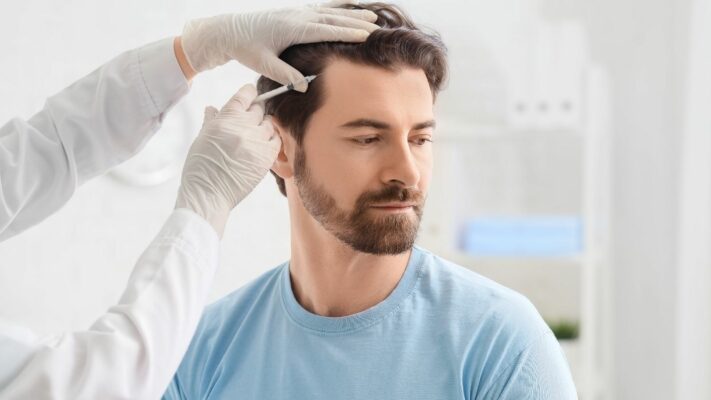
Most Preferred Countries for Hair Transplantation
Among the most preferred countries for hair transplantation are Turkey, India, South Korea, and Poland. [...]
Read More
21
Jan
Jan
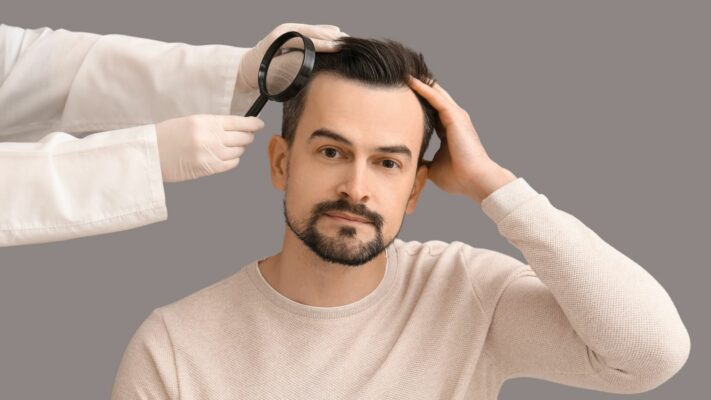
Hair Transplant Prices
Hair transplant prices vary depending on the technique to be used, the number of grafts, [...]
Read More
21
Jan
Jan
Most Preferred Countries for Plastic Surgery
Among the most preferred countries for plastic surgery, Turkey, South Korea, the United States, and [...]
Read More
21
Jan
Jan
Plastic Surgery Prices
Plastic surgery prices vary depending on the type of procedure, geographical location, the surgeon’s experience, [...]
Read More
21
Jan
Jan

Physical Therapy Prices
Physical therapy prices vary depending on the number of sessions to be applied, the treatment [...]
Read More
21
Jan
Jan

Dental Treatment Prices
Dental treatment prices vary depending on the type of procedure to be performed, the quality [...]
Read More
21
Jan
Jan
Most Preferred Countries for Dental Treatments
Among the most preferred countries for dental treatments are Turkey, Hungary, Mexico, and Thailand. These [...]
Read More
21
Jan
Jan