
 Türkçe
 Deutsch
 Français
Facelift surgery, medically known as Rhytidectomy, is an aesthetic operation that gives the person a younger and more dynamic appearance by surgically tightening deep tissue sagging, excess skin, and muscle laxity in the face and neck area. The main purpose of this procedure is to anatomically reposition the cheek, jawline, and neck tissues that have descended due to the effect of gravity back to their original, natural locations. Rather than a superficial procedure in which only the skin is tightened, this surgery repairs the supporting structures (SMAS) in the deeper layers of the face and offers the most permanent and natural treatment option for deep wrinkles and advanced sagging.
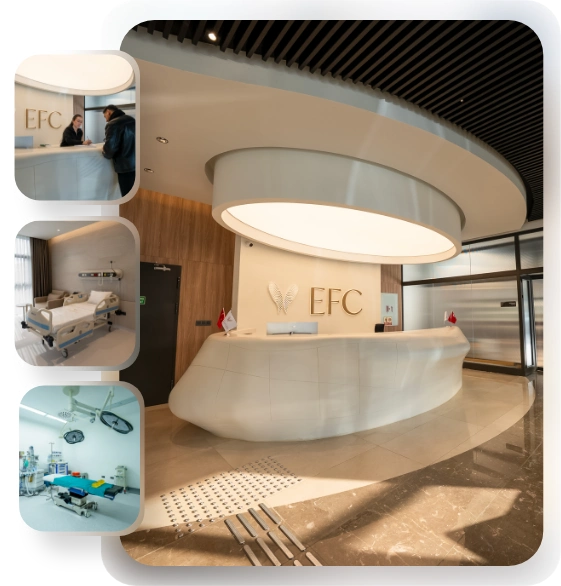
EFC CLINIC
Comprehensive Care: From Initial Consultation to Follow-Up.
EFC CLINIC is a center of excellence specializing in the most meticulous fields of surgical medicine, from aesthetic surgery to interventional treatments—where every step progresses with refined attention. Medical excellence, aesthetic precision, and uncompromising ethical standards converge on the same path. Our subspecialty-trained experts aim to achieve natural and reliable results by delivering evidence-based care supported by modern imaging, standardized protocols, and safety systems. From consultation to recovery, your care is coordinated end-to-end with clear communication, transparent planning, and genuine respect for your health.
Why Does Our Face Age and What Happens to the Tissues During This Process?
Aging is a much more complex and deeper process than just a few fine lines appearing on the surface of the skin. Our face has a three-dimensional architecture consisting of layers such as bone structure, muscles, fat pads, and skin. When we are young, the ligaments that hold these structures together are tight, and our skin is elastic. However, over time, this dynamic changes.
The main factors that trigger this change are as follows:
- Genetic inheritance
- Effect of gravity
- Sun damage
- Smoking
- Frequent weight fluctuations
- Chronic stress
- Irregular sleep
The changes in the face are not limited to skin laxity. The main issue is the weakening and displacement of the supporting tissues beneath the skin. Fullness in the cheeks shifts downward, the clear and sharp boundaries of the jawline become blurred, and the transition between the neck and the face disappears. The face shifts downward as a whole. This is exactly what modern surgery aims to correct.
What Is Modern Facelift Surgery (Rhytidectomy)?
In the past, facelift surgery brought to mind an approach in which only the skin was tightened and the excess was removed, resulting in artificial expressions that looked as if the person were walking against the wind. However, the modern surgical understanding has completely abandoned this approach. Today’s methods view the skin not as a “load-bearing structure” but as a “cover.”
Instead of placing the tension on the skin, the work is performed on the SMAS (Superficial Musculo-Aponeurotic System), which is the muscle and fascia layer beneath the skin. These deep tissues are repositioned in the opposite direction of gravity, back to their original, natural locations. After the foundational structure is reinforced, the skin is gently redraped over it without tension. In this way, scars heal much better and a natural youthful appearance is achieved without altering facial expression. The goal is not a face that looks “surgically done,” but an expression that looks “rested and refreshed.”
Why Is the Deep Plane Facelift Technique Different?
One of the greatest advances in aesthetic surgery in recent years is the Deep Plane Facelift technique. This method is considered the most advanced level of anatomical repair. Its biggest difference from classical methods is that it is based on the principle of releasing the main retaining ligaments that support the face.
Although the ligaments in our face loosen over time, they still continue to hold the tissues at certain points. In the Deep Plane technique, the surgeon goes into a deeper layer and releases these ligaments. Thus, the cheek, midface, and jawline tissues can be moved as a single block. This technique is extremely effective in correcting volume loss in the cheeks, deepened nasolabial folds (lines descending from the side of the nose to the mouth), and sagging along the jawline. Because the skin and the underlying tissue are not separated from each other, blood circulation is preserved, which improves the quality of healing and makes the result much more long-lasting.
Who Is a Short-Scar Facelift (MACS Lift) Suitable For?
Each patient’s aging story and degree are different. In some cases, excellent results can be achieved with less invasive methods without the need for comprehensive surgery. MACS Lift (Minimal Access Cranial Suspension) is ideal especially for people in their 40s and 50s whose skin elasticity is still good but who have started to be affected by gravity.
The advantages of this method are as follows:
- Shorter incision scar
- Less tissue trauma
- Fast recovery process
- Natural appearance
- Less swelling
In the MACS Lift technique, the incision is limited only to the front of the ear and does not extend behind the ear. Sagging tissues are suspended upward in a vertical direction with special suturing techniques. This allows patients to return to their social lives much sooner. However, if there is significant excess skin in the neck area, this technique alone may not be sufficient.
Contact us now to get detailed information about our treatments and procedures and to schedule an appointment!
Why Should Face and Neck Lifting Be Considered Together?
In an aesthetic assessment, it is not possible to divide the face into separate parts. The face and neck are a whole and complement each other. A look in which the face appears lifted and smooth but the neck is wrinkled and sagging looks aesthetically unbalanced. One of the most important indicators of youth is that sharp and well-defined angle of transition between the jaw and the neck.
For this reason, the neck area has critical importance in surgical planning. Fat accumulation under the chin, laxity in the neck muscles, and skin sagging should be addressed simultaneously with the facelift procedure. When the double-chin appearance is eliminated and the neck muscles are tightened, the rejuvenation effect on the face increases dramatically and a holistic harmony is achieved.
Is Fat Injection Necessary for Volume Loss?
The aging process does not only mean sagging of tissues but also hollowing of tissues. The bone tissue in the face thins and fat pads lose volume. Tightening only the skin can sometimes cause the face to look flatter and more tired. At this point, volume restoration using the patient’s own fat comes into play.
Fats taken from another part of the body are purified through special processes and injected into the face.
The areas where fat injection is applied are as follows:
- Temples
- Cheekbones
- Under-eye hollows
- Chin tip
- Around the lips
- Nasolabial lines
While this procedure restores the soft contours and fullness the face has lost, it also improves skin quality and radiance thanks to the stem cells within the fat.
How Is the Process Supported with Eyelid Aesthetics?
The eyes are the focal point of the face. No matter how tight and young the face looks, a tired expression around the eyes can overshadow the overall appearance. For this reason, facelift surgeries are often combined with eyelid aesthetics (Blepharoplasty).
The issues corrected by this combination are as follows:
- Upper eyelid skin excess
- Under-eye bags
- Tired-looking eyes
- Periocular wrinkles
Under a single anesthesia, both the frame of the face and the center of the gaze are corrected, and the recovery process is completed in one go.
Contact us now to get detailed information about our treatments and procedures and to schedule an appointment!
Who Is the Ideal Candidate for Facelift Surgery?
Not everyone may be suitable for this surgery. For a successful result, the patient needs to be ready for the process both physically and mentally.
The characteristics sought in an ideal candidate are as follows:
- Pronounced facial sagging
- Deepened facial lines
- Laxity in the neck area
- Realistic expectations
- Good general health condition
- Not smoking
- Stable body weight
In particular, smoking is the most important factor that negatively affects the healing process because it impairs blood circulation. Therefore, staying away from smoking in the preoperative and postoperative period is essential.
What Is the Surgery Process and Recovery Period Like?
Facelift surgery is performed under general anesthesia in a fully equipped hospital. Depending on the additional procedures to be performed, the duration may vary between 3 and 5 hours. You will stay in the hospital for the first night after surgery. In the first days, swelling, bruising, and a feeling of tightness in the face are completely normal and expected.
Recommendations that accelerate the recovery process are as follows:
- Keeping the head elevated
- Regular ice application
- Using prescribed medications
- Drinking plenty of water
- Avoiding salty foods
- Protecting from the sun
- Staying away from heavy exercise
Sutures are usually removed within the first week. From the second week onward, bruising decreases and can be covered with makeup. Most of our patients can return to their social lives and work by the end of the second week.
Blog Posts

Most Preferred Countries for Hair Transplantation
Among the most preferred countries for hair transplantation are Turkey, India, South Korea, and Poland. [...]
Read More
21
Jan
Jan
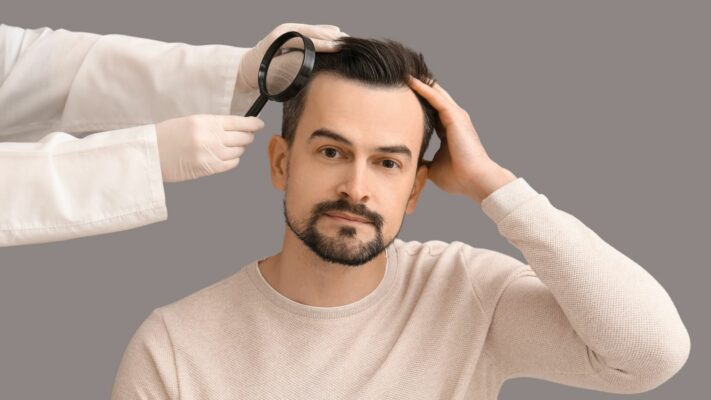
Hair Transplant Prices
Hair transplant prices vary depending on the technique to be used, the number of grafts, [...]
Read More
21
Jan
Jan
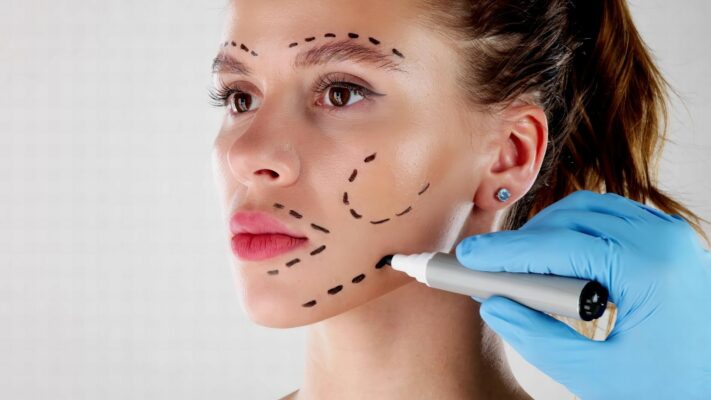
Most Preferred Countries for Plastic Surgery
Among the most preferred countries for plastic surgery, Turkey, South Korea, the United States, and [...]
Read More
21
Jan
Jan
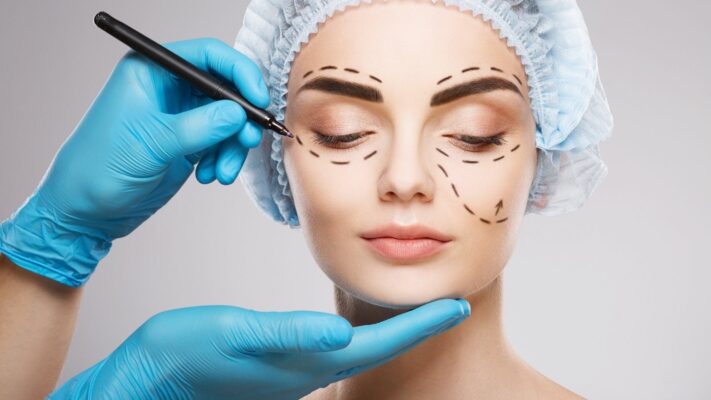
Plastic Surgery Prices
Plastic surgery prices vary depending on the type of procedure, geographical location, the surgeon’s experience, [...]
Read More
21
Jan
Jan
Physical Therapy Prices
Physical therapy prices vary depending on the number of sessions to be applied, the treatment [...]
Read More
21
Jan
Jan

Dental Treatment Prices
Dental treatment prices vary depending on the type of procedure to be performed, the quality [...]
Read More
21
Jan
Jan
Most Preferred Countries for Dental Treatments
Among the most preferred countries for dental treatments are Turkey, Hungary, Mexico, and Thailand. These [...]
Read More
21
Jan
Jan